
Product Lead & Business Analyst
Product, Engineering, Data, Bank Partners, Operations
Figma, Inetco API, TMS Integration, Ticketing System
Transform from "Reporting" (What happened?) to "Action" (Fix it)
Geidea operates a massive "Geidea Banking Business" (GBB) model, managing over 200,000 terminals. In this model, the Bank acts as the acquirer (handling money), while Geidea handles operational heavy lifting—delivering, installing, and servicing terminals.
While backend operations were robust, front-end visibility was broken. We operate in a complex ecosystem where Merchants work with multiple banks, and Banks manage huge portfolios without a unified digital view.
Despite the scale of operations, the experience for our partners was analog and fragmented—a "Black Box" hiding critical operational intelligence.
Banks had a portal for transaction data but were blind to "Operational Health." To know if a terminal was active, broken, or dormant, they had to email a Relationship Manager, who would manually pull reports from data teams.
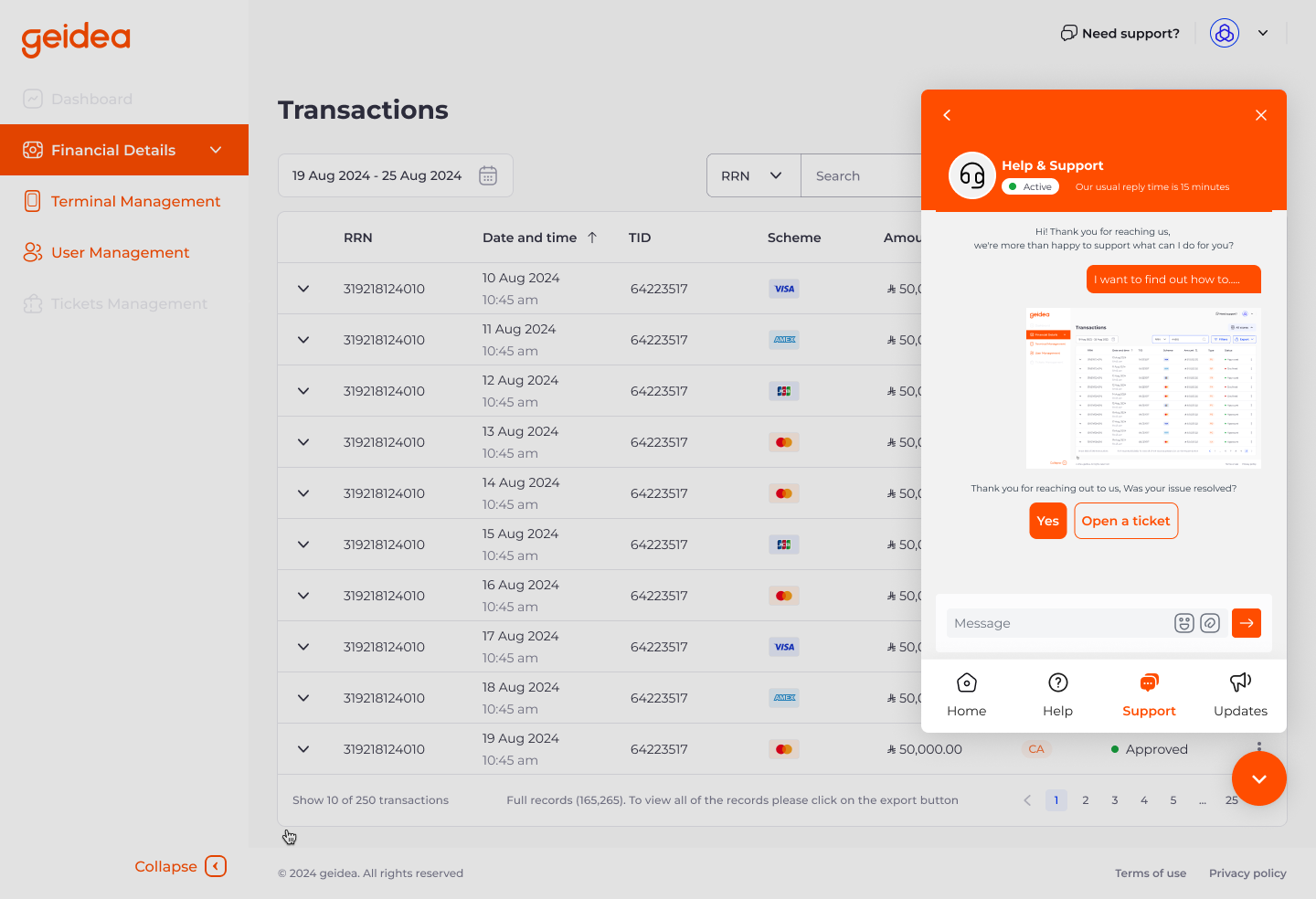
If a terminal broke or ran out of paper, merchants had to call a hotline and wait in a queue. They lacked any digital self-service channel for basic operational needs.
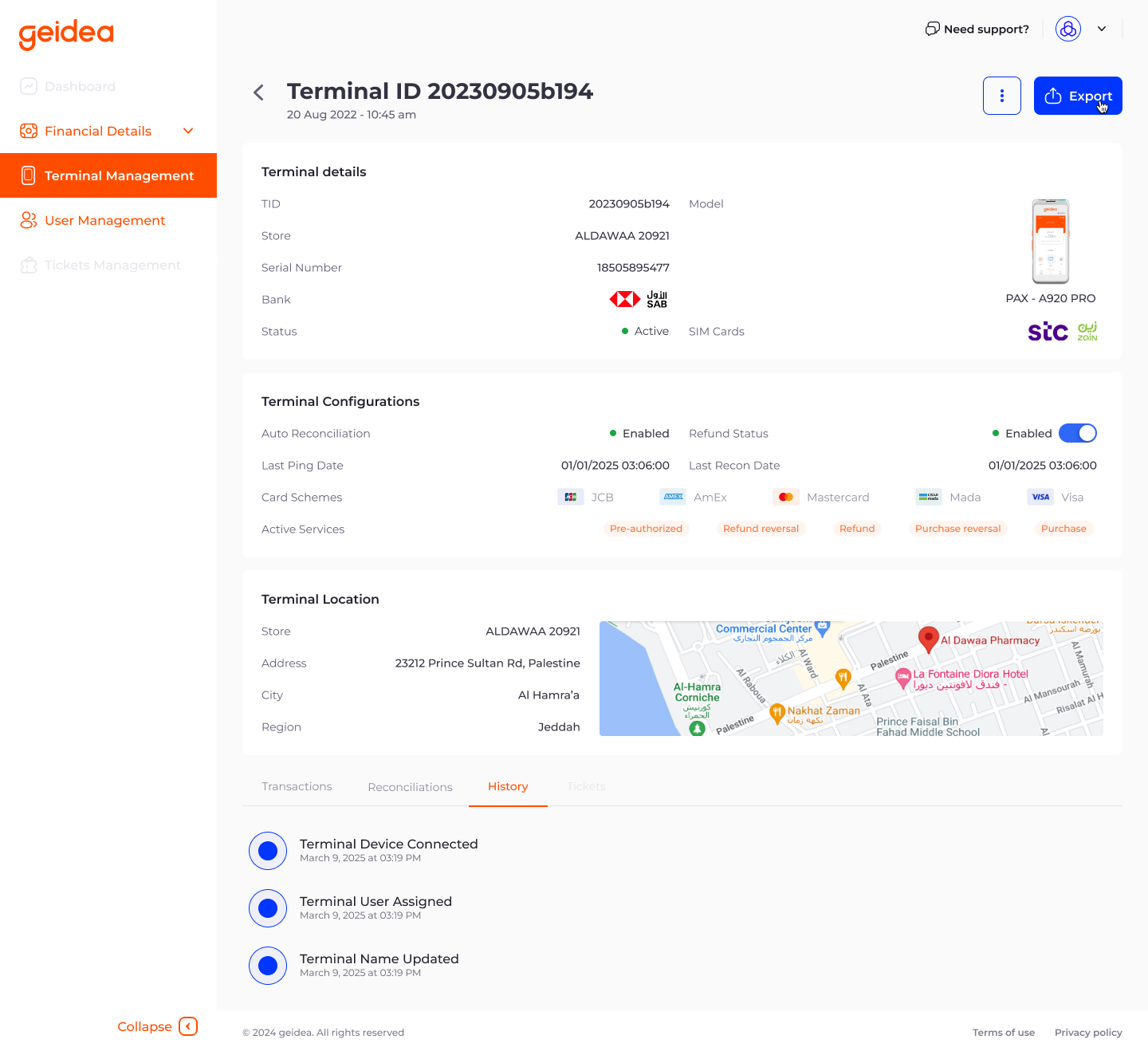
Information was trapped in three different systems: Inetco (Transactions), TMS (Terminal status), and Geidea's Ticketing System (Support)—never unified for stakeholder consumption.
"The opportunity: build a Unified Ecosystem Portal integrating operational and financial data—giving Banks 'Portfolio Oversight' and Merchants 'Self-Service Power.'"
I started as Business Analyst, conducting market research to define the product gap and competitive positioning.
Analyzed market standards including partners like NearPay. We identified that while others offered "View-Only" dashboards, the market lacked a true "Interactive Management" layer.
We didn't just want a dashboard; we wanted an Operating System. The goal was to move from "Reporting" (What happened?) to "Action" (Fix it).
Instead of building two separate apps, I architected a Modular Design strategy:
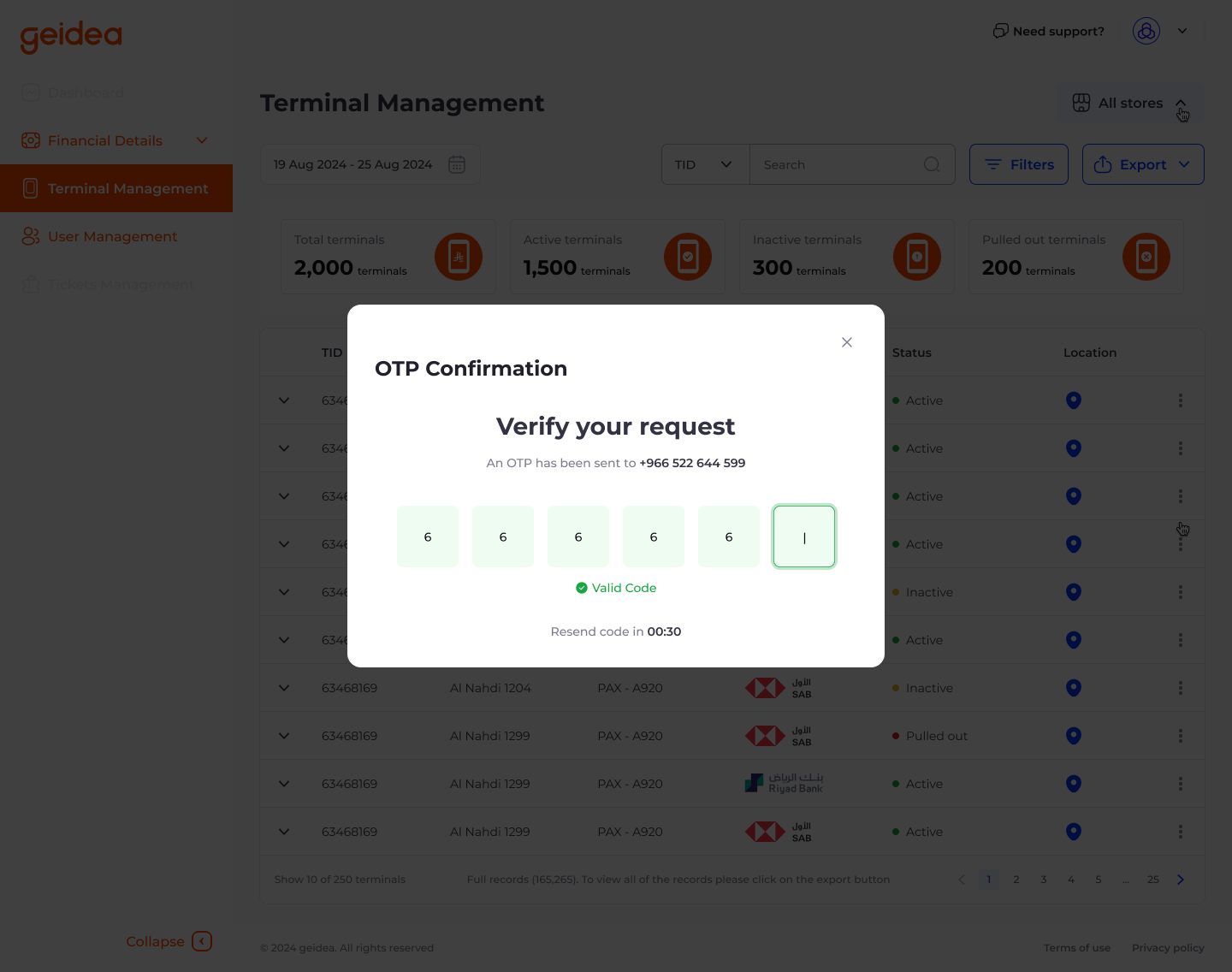
For Banks—focusing on density, portfolio-wide aggregation, terminal health metrics, and churn risk indicators across their entire merchant base.
For Merchants—focusing on simplicity, financial health visualization, and quick actions like supply ordering and ticket creation.
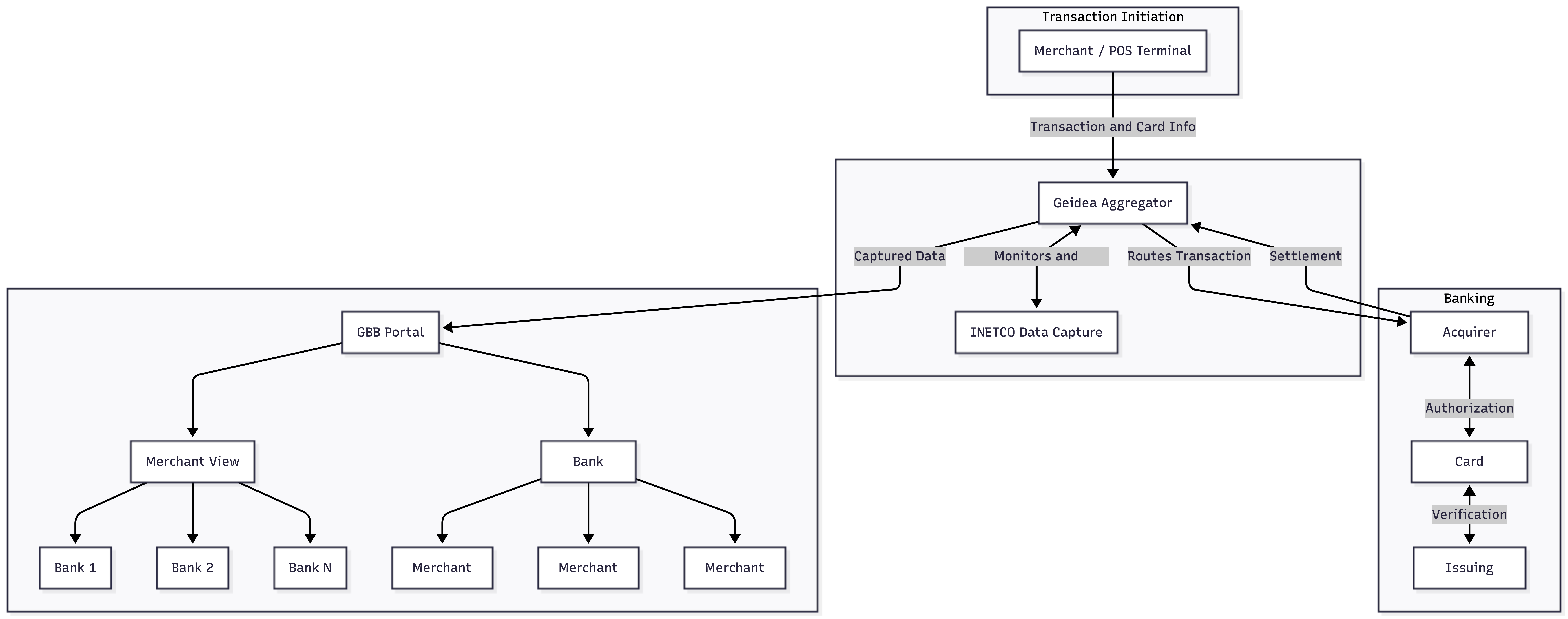
Modular design strategy: Executive View (Banks) and Operator View (Merchants)
Transitioning to Product Lead, I managed end-to-end execution from data architecture to UI design to service layer development.
Led technical requirement definition to integrate the "Holy Trinity" of data sources into one API layer:
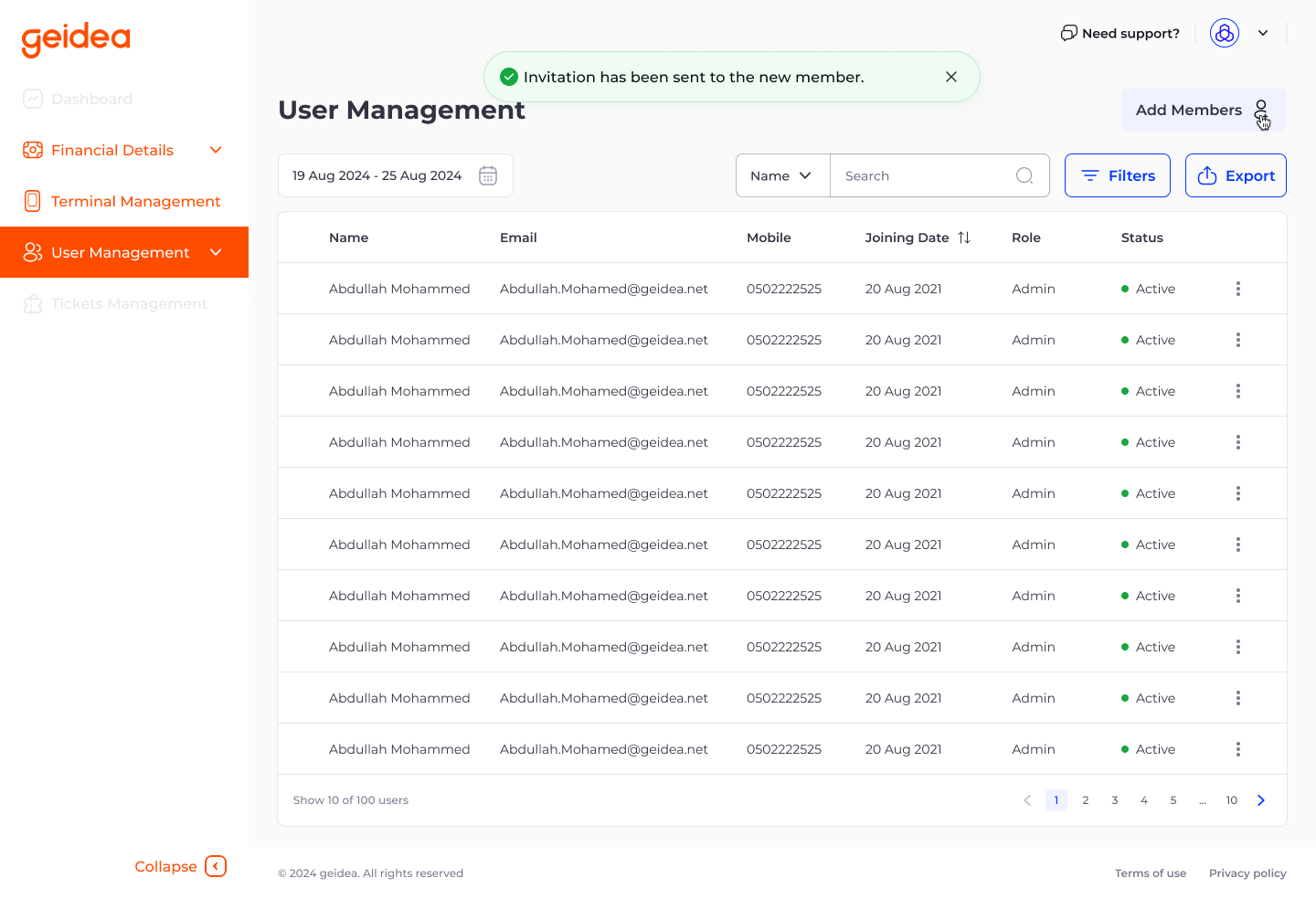
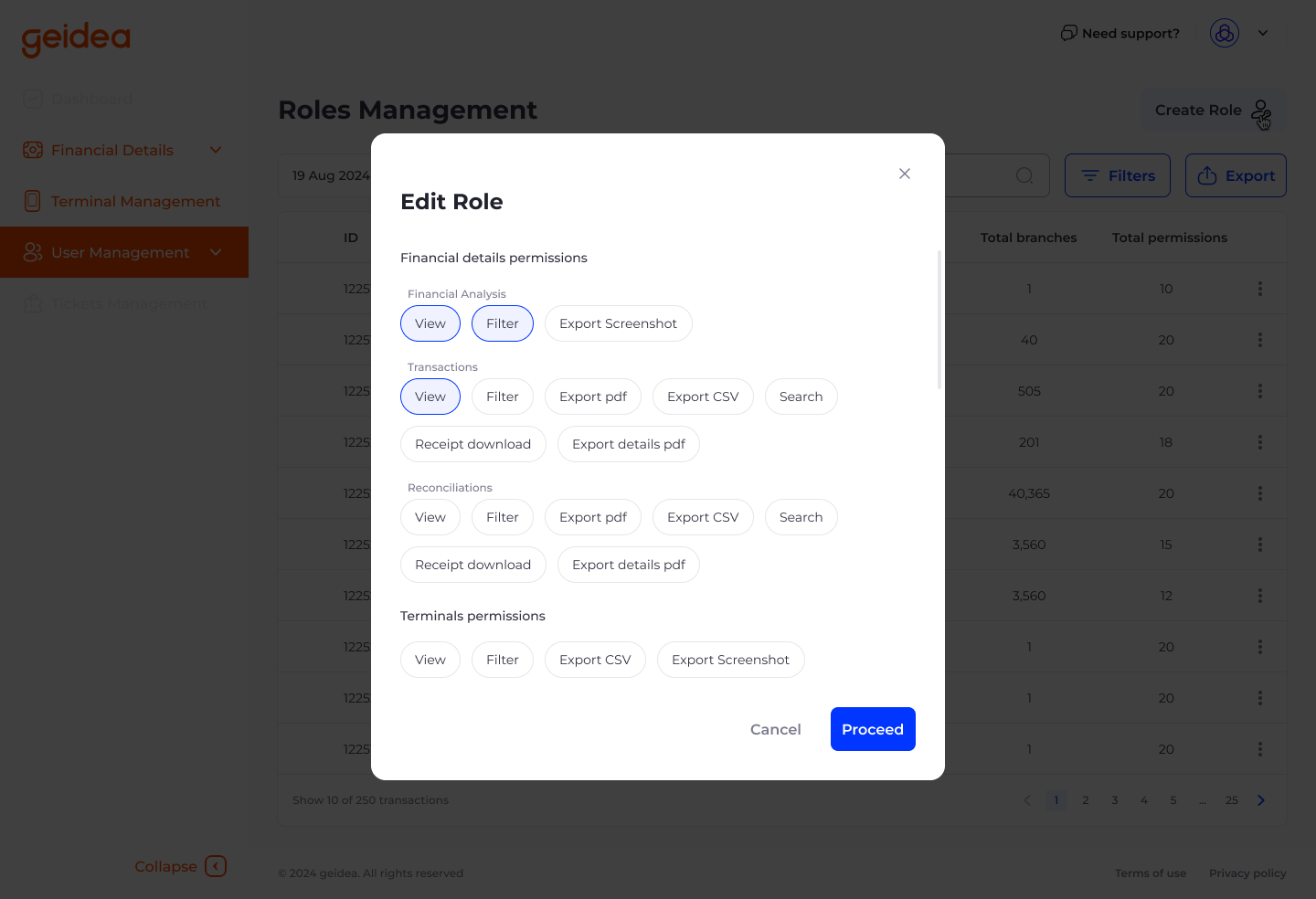
Personally designed UI/UX flows in Figma to address conflicting needs of different user types:
To reduce call center volume, designed a Self-Service Module embedded with Chatbot:
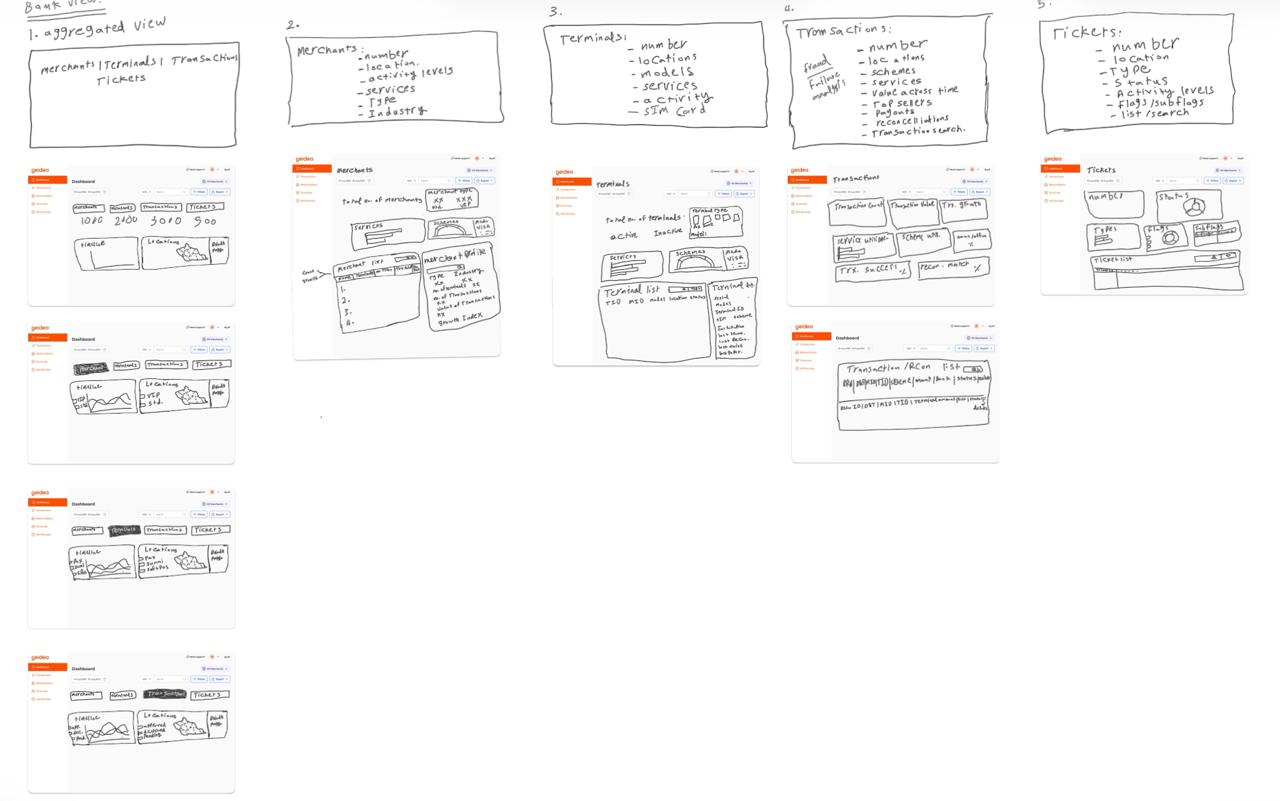
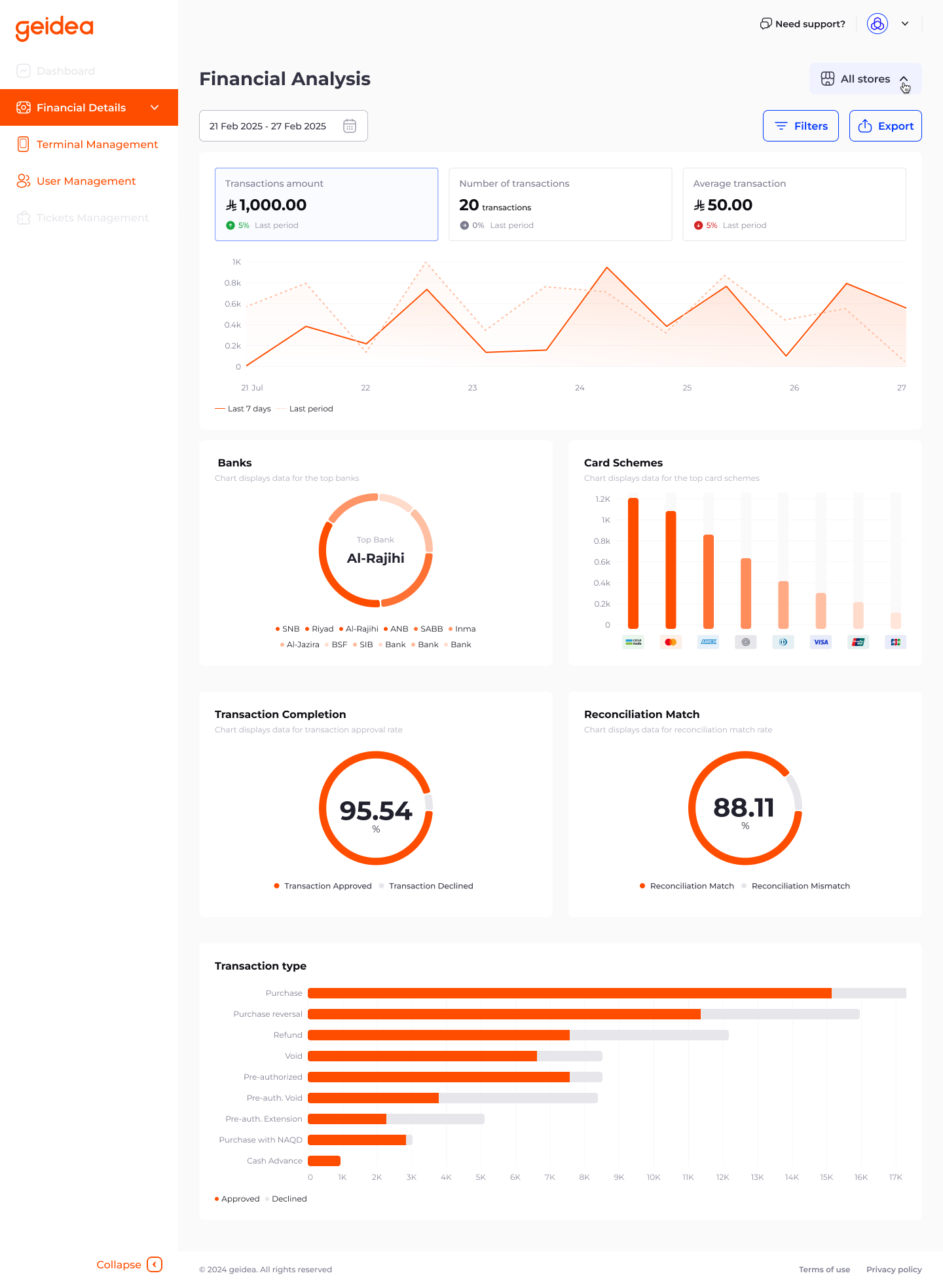

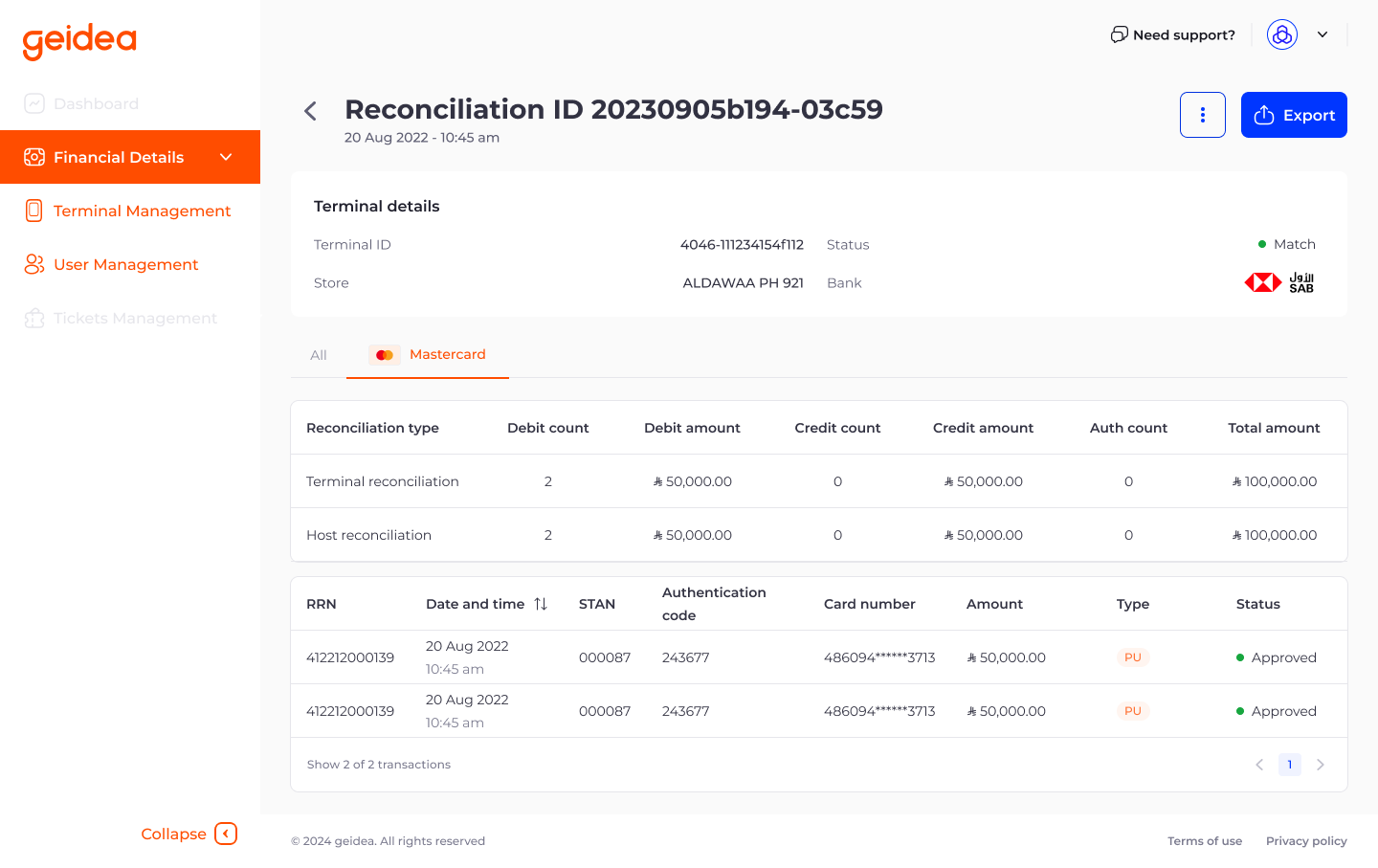


"We're not selling terminals; we're selling control. The portal transforms hardware service into digital ecosystem."
Currently in User Acceptance Testing (UAT) phase, ensuring the system creates measurable value before full rollout.
This product transforms the GBB model from "Hardware Service" into "Digital Ecosystem," driving value across four strategic horizons.
"We transformed the GBB model from hardware logistics into a digital ecosystem—where visibility becomes competitive advantage and self-service becomes retention strategy."